HISTORY OF THE AUDITORIUM


To honor the services in war of her sons and daughters and to nourish in peace their spirit of sacrifice a grateful city erected this building.

November 11, 1918. After four brutal years, World War I had come to an end. Of the more than 8.5 million recorded military deaths, 355 were young men and women from Worcester. As life returned to normal, city leaders envisioned a monument honoring these soldiers’ sacrifice and the service of all local residents in times of war. So commenced a fifteen-year project to construct the city’s first auditorium – a solemn memorial to lives lost and a spirited affirmation of Worcester’s vitality.

1918-1929

Choosing a Location
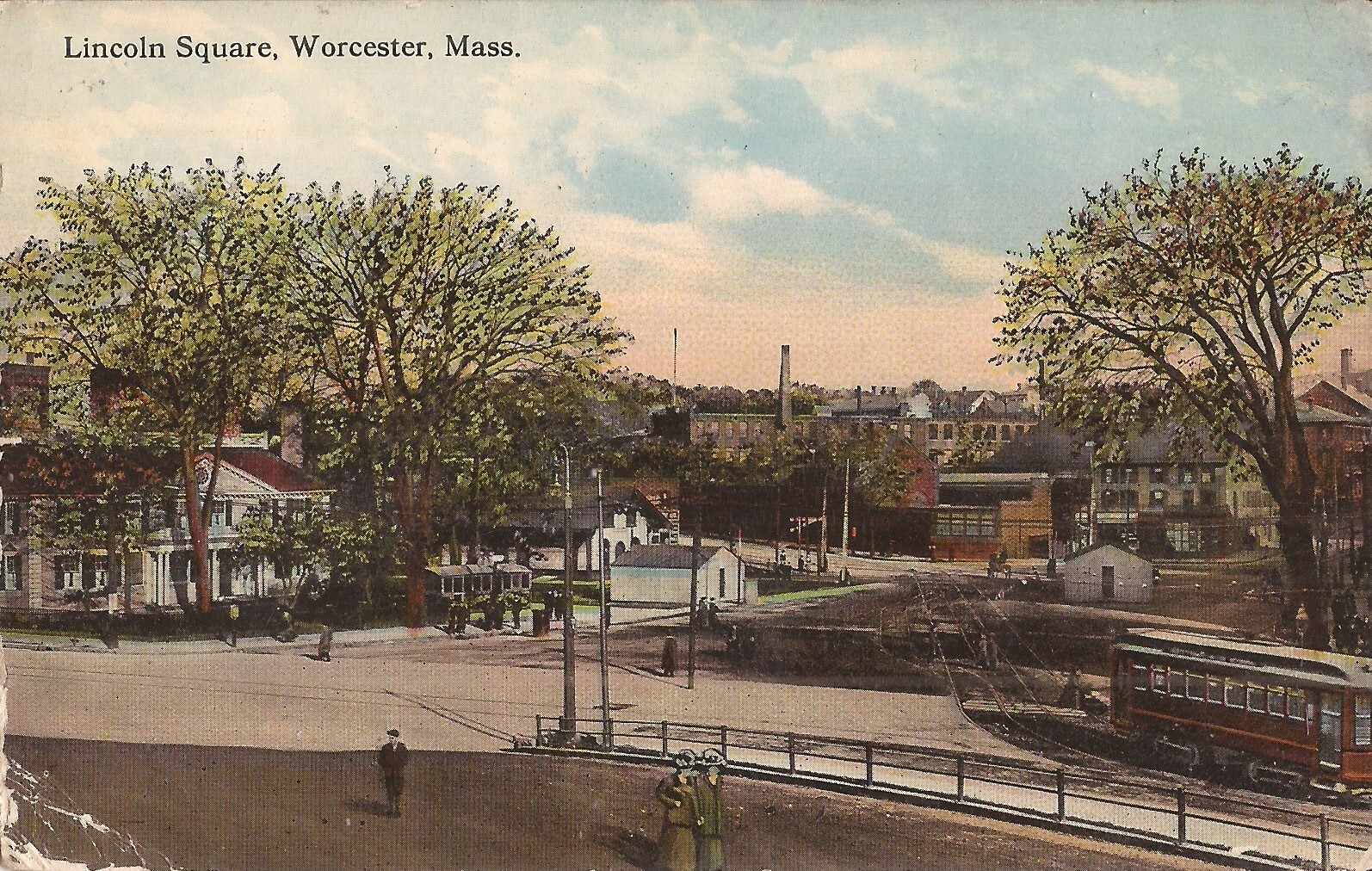
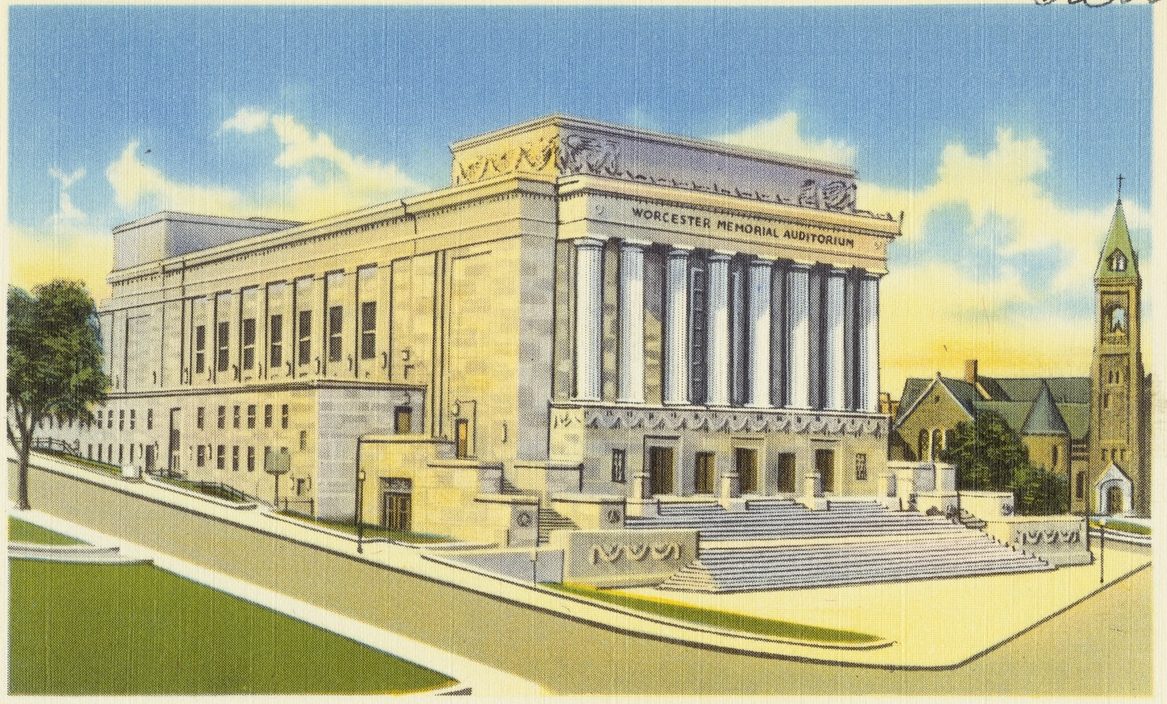
In 1918, Worcester’s leading citizens began a decade-long search for a suitable auditorium site. Initially, they proposed constructing the building, as well as a public library, on the Common. The plans stalled, however, and in 1925 the Common was rejected in favor of the Auditorium’s current location. Four years later, city residents and the Trustees of the Worcester Art Museum raised money to purchase 100,000 square feet of land from the museum at present-day Lincoln Square in order to build the Auditorium.

1930-1931

Designing the Auditorium

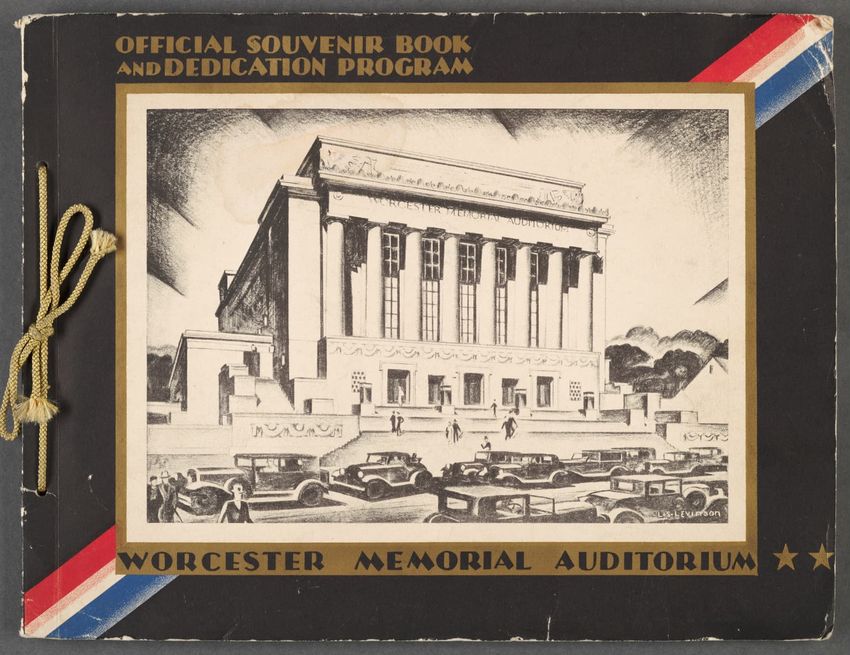
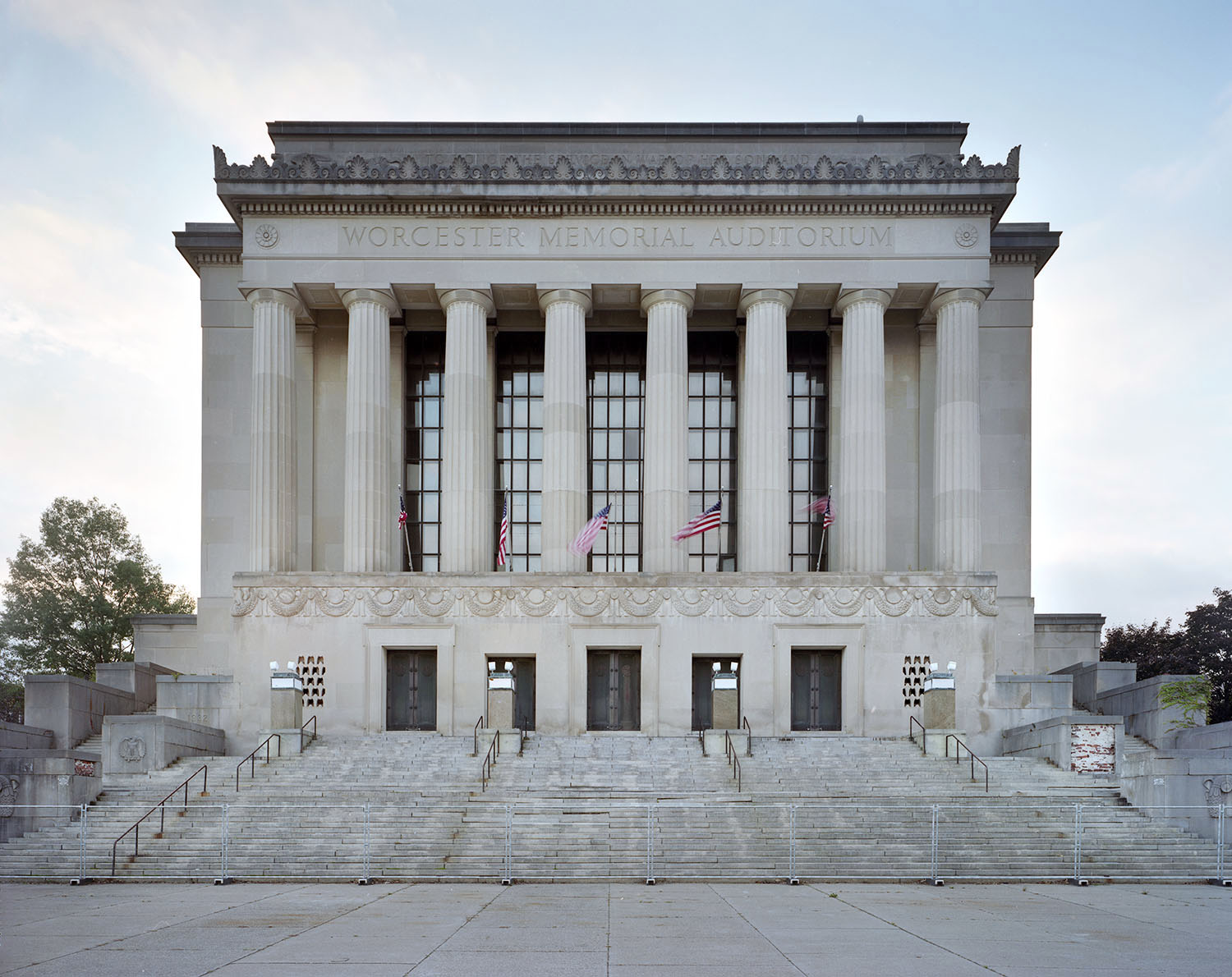
Once a location was secured, designing and constructing the Auditorium proceeded at a rapid pace. The city held a competition for architects throughout the United States to submit proposals for the building. After narrowing the competitive pool to three finalists - all from Worcester - the selection committee chose local architect Lucius Briggs and his collaborator, Frederick C. Hirons of New York, to design the Auditorium. They had proposed a Classical Revival structure featuring Doric columns and five large, bronze doors on the exterior, and an Art Deco-inspired interior - a creative blend of past and present appropriate for a memorial and cultural center.

1931-1933

Building the Auditorium

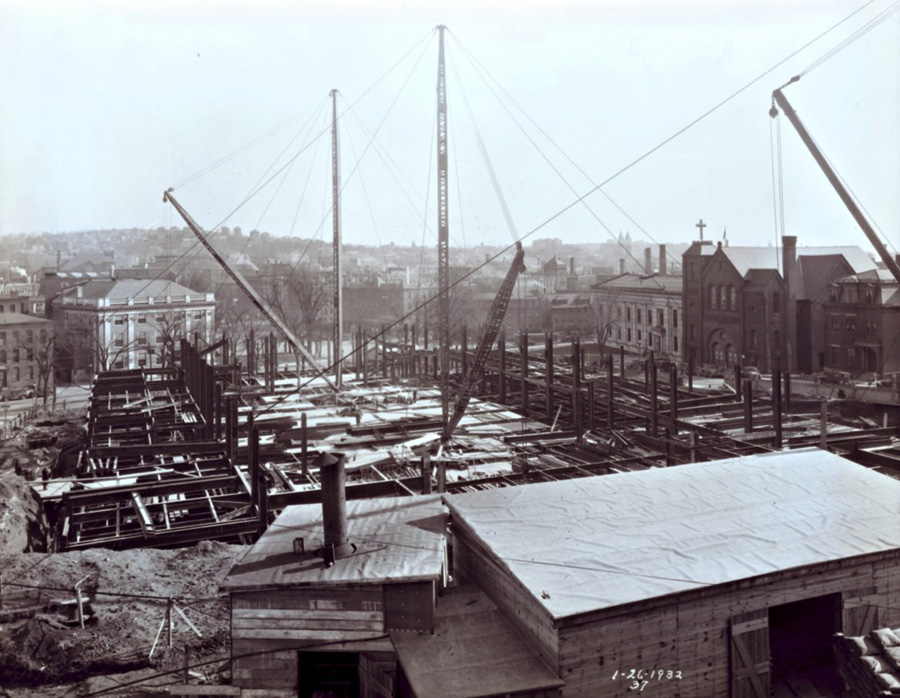
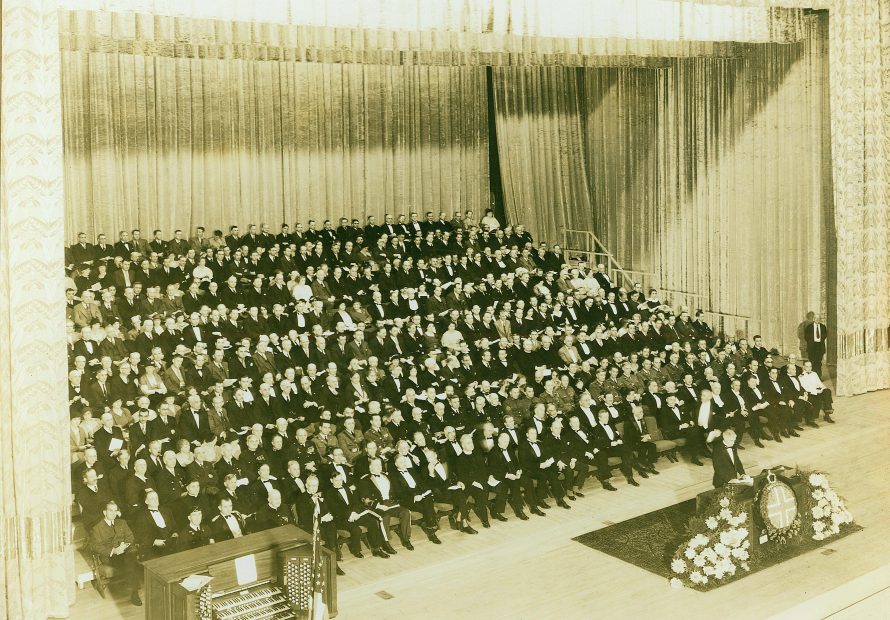
On September 10, 1931, workers broke ground at the construction site. Six months later, the cornerstone was laid - a time capsule containing photographs and documents regarding the Auditorium, city government records, coins, and Charles Nutt's History of Worcester and Its People (1919). Two years after groundbreaking, the Auditorium was complete. This behemoth of Deer Island granite, Indiana limestone, and marble had cost $2 million. On September 26, 1933, Worcester citizens gathered in the Auditorium for the dedication ceremony, which kicked off a week of celebratory events and concerts in the building. The Commemorative Dedication Book praised the Auditorium as "an enduring tribute to those whose sacrifice was sublime, a majestic memorial for the use and benefit of many generations.

1938-1941

Painting the Murals

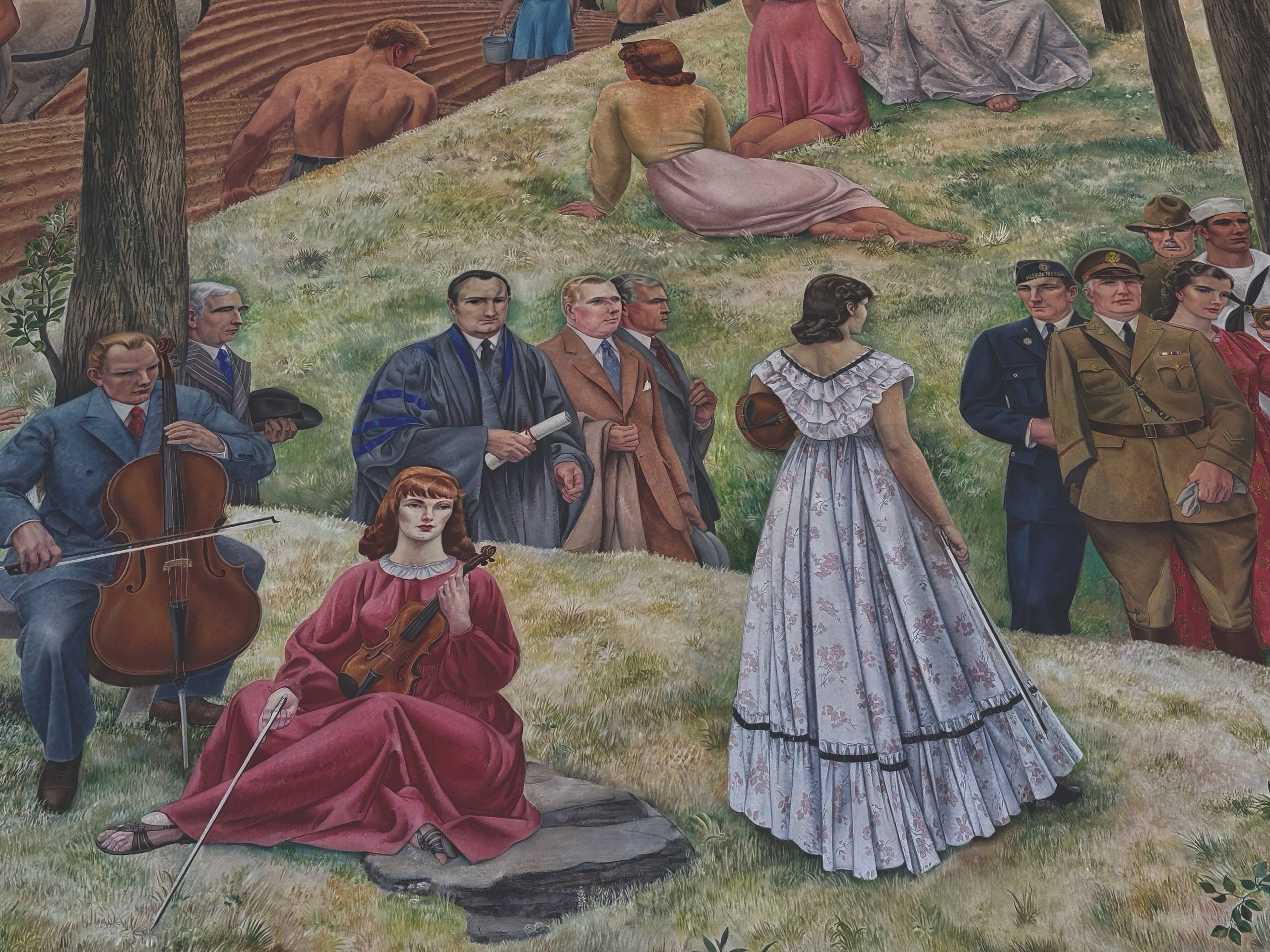
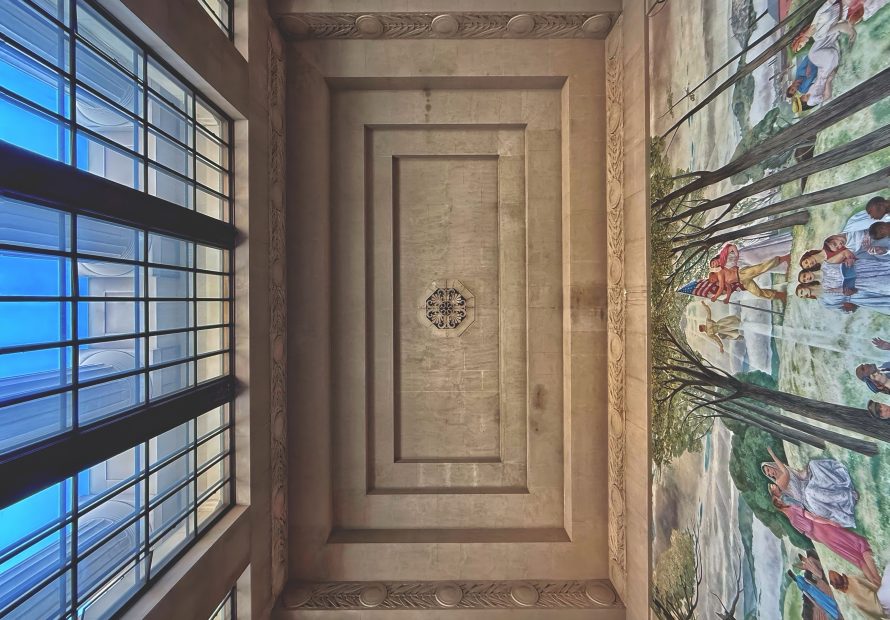
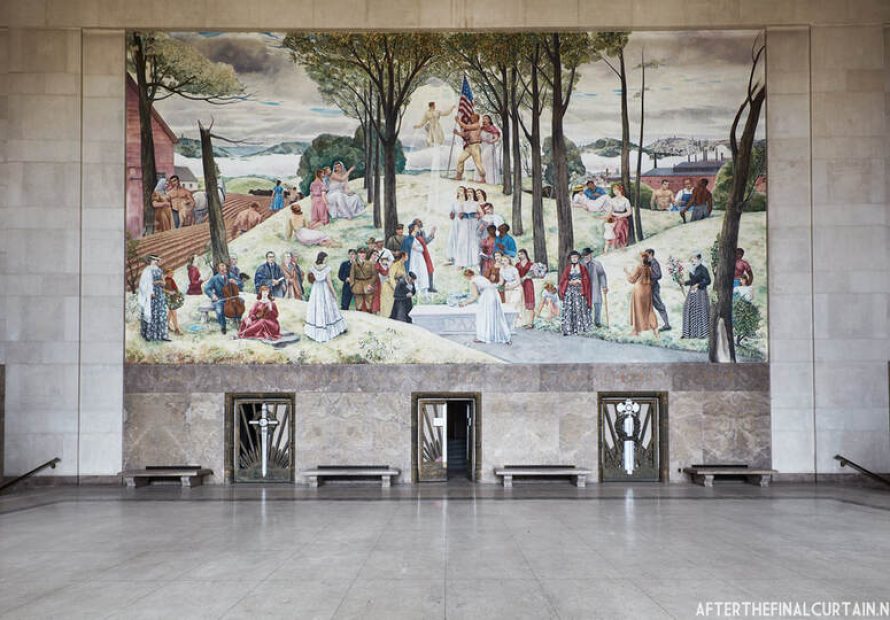
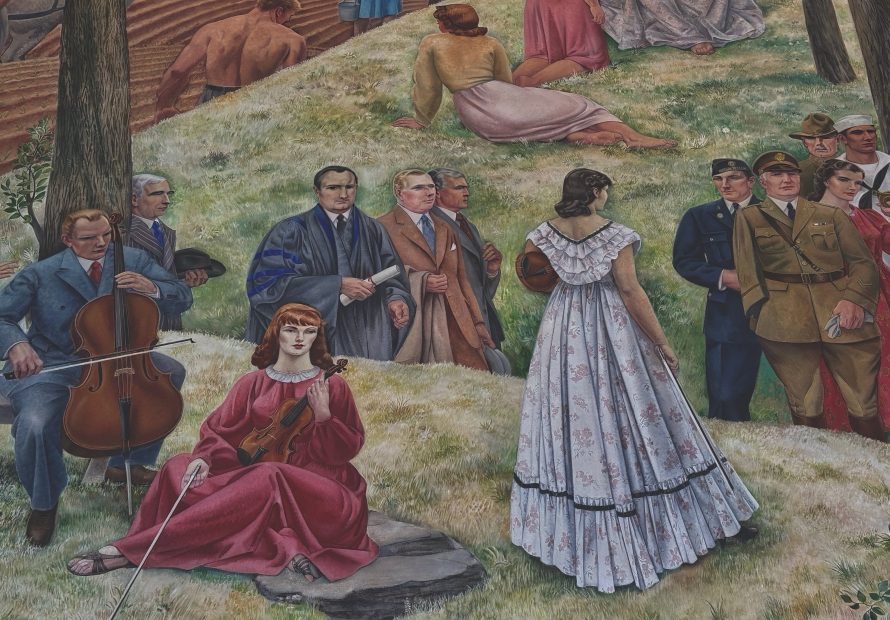
Once the building was complete, it was time to finish the Memorial Chamber. After a national competition, artist Leon Kroll was chosen to paint the murals. Kroll, working with local models, painted 2,500 square feet of space on the walls of the Memorial Chamber. The Boston Globe reported - “Of the many war memorial murals that have been painted in public buildings the past few years, that in the Worcester Municipal Auditorium by the well-known artist, Leon Kroll of New York, which was dedicated with impressive ceremonies on the evening of May 28, will rank with the best in the country. The central panel is 30 by 57 feet, symbolizing the soldier who has died in defense of the flag.”

1940-1960

Basketball Mania

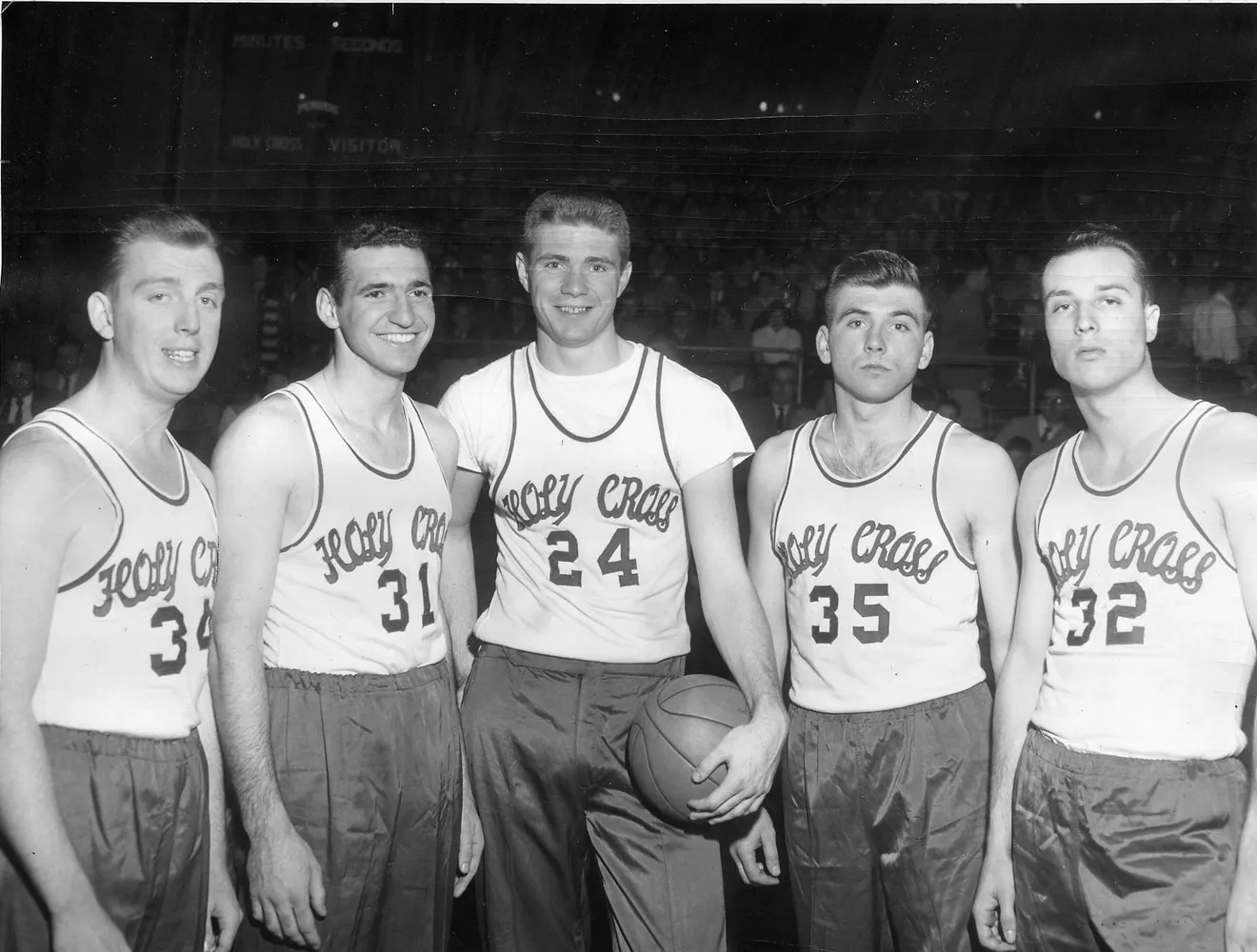
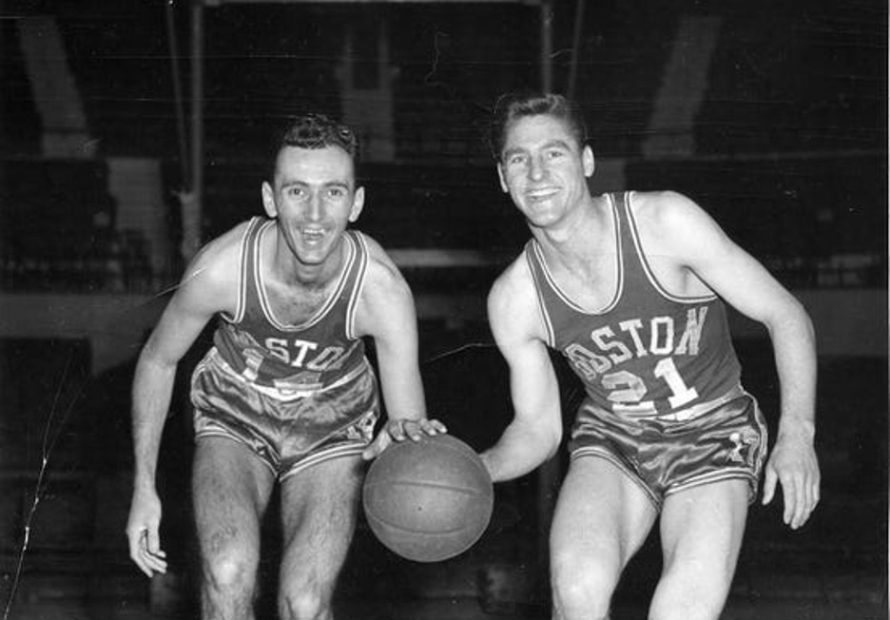
For many people, the Auditorium = basketball. And more specifically, Holy Cross basketball. In the late 1940s, the Holy Cross Crusaders had become one of the best teams in the country, and in need of a bigger home court, they found themselves at the Worcester Memorial Auditorium. Holy Cross star Bob Cousy remembers the move as a really big deal: suddenly, they could have an audience of over 3,000, with a few hundred more fans in the Little Theater. The rowdy crowds and the quirky space made home court advantage a real thing. In 1950, Cousy finally answered the local call to put up a team against local basketball star, Ziggy Strzelecki. It turns out that Cousy vs Ziggy was a hot ticket - they sold out two nights of basketball. No word on who came out on top. A few years later, Cousy returned to the Auditorium with the Boston Celtics, who were interested in testing the waters in Worcester. Cousy remembers it wasn’t as big of a draw as the Ziggy Strzelecki games.

1950-1990

Catching a Show at the Aud

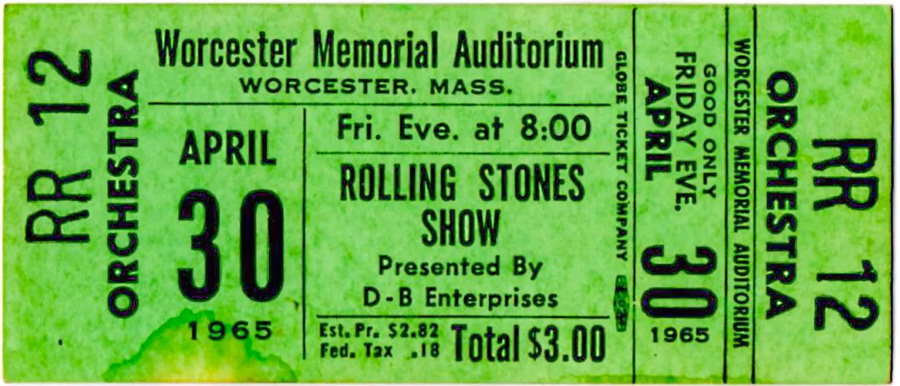
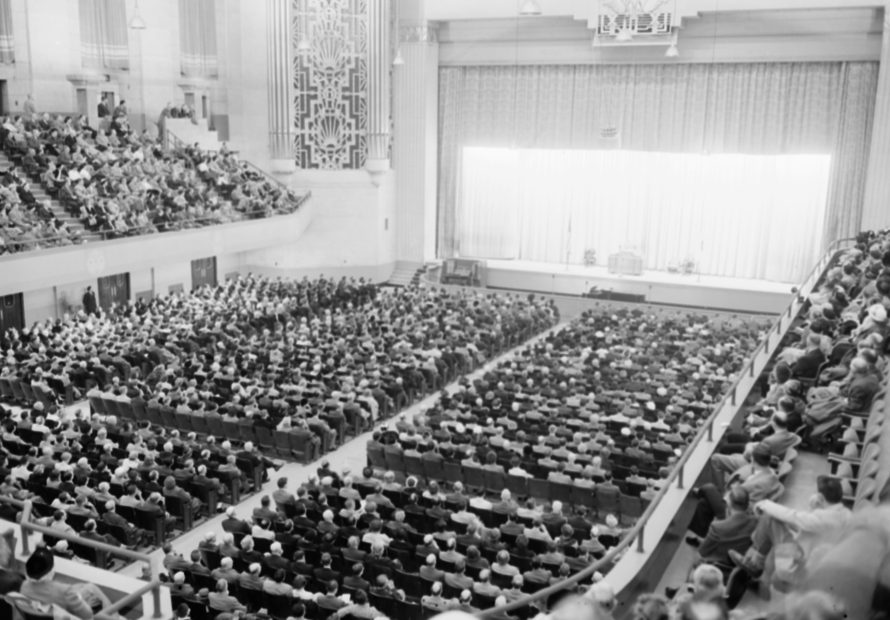
Over the years, the Auditorium has hosted huge acts, including Louis Armstrong, B.B. King, Fats Domino, and the Rolling Stones. In 2011, the band Phish released an album of their 1991 concert at the Auditorium. In 1975, Bob Dylan and Joan Baez played at the Auditorium, selling out the show in 5 hours. On a smaller, but no less important scale, the Auditorium has been home to countless local acts, school concerts, dance recitals, and graduation ceremonies. The Auditorium has always been a place for the people of Worcester to gather and celebrate.

1918-1929

1930-1931

1931-1933

1938-1941

1940-1960

1950-1990

Left Quote Right Quote

For the use and benefit of the people of the City…

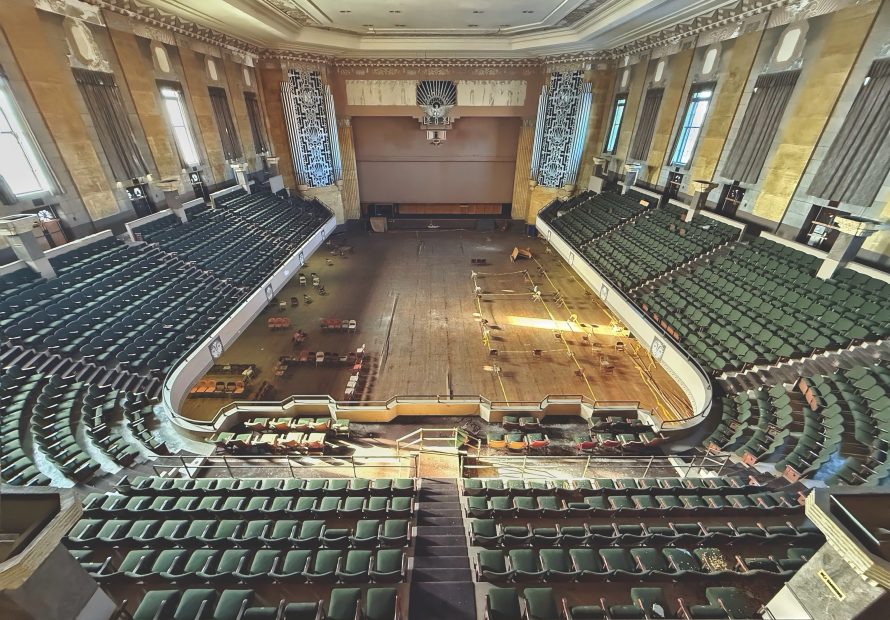
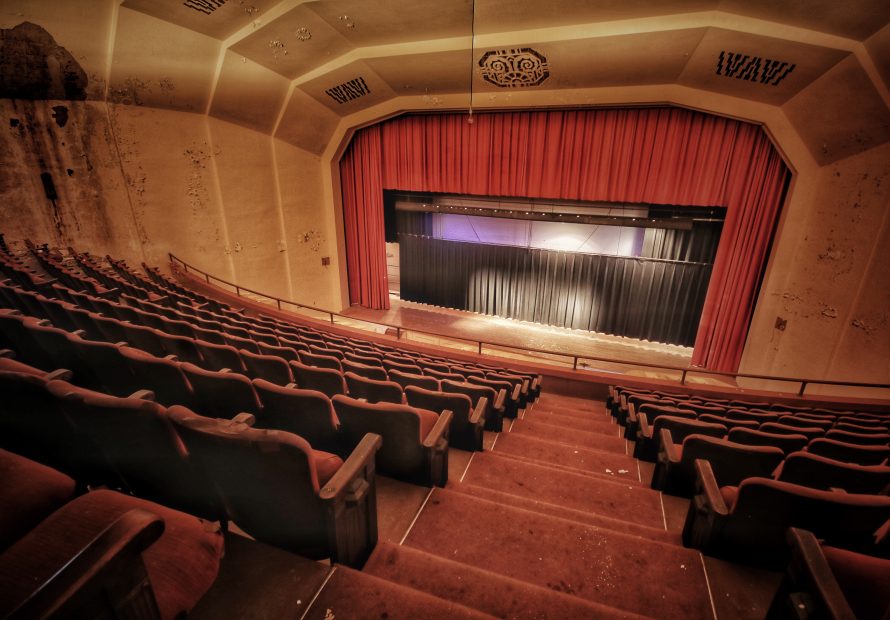
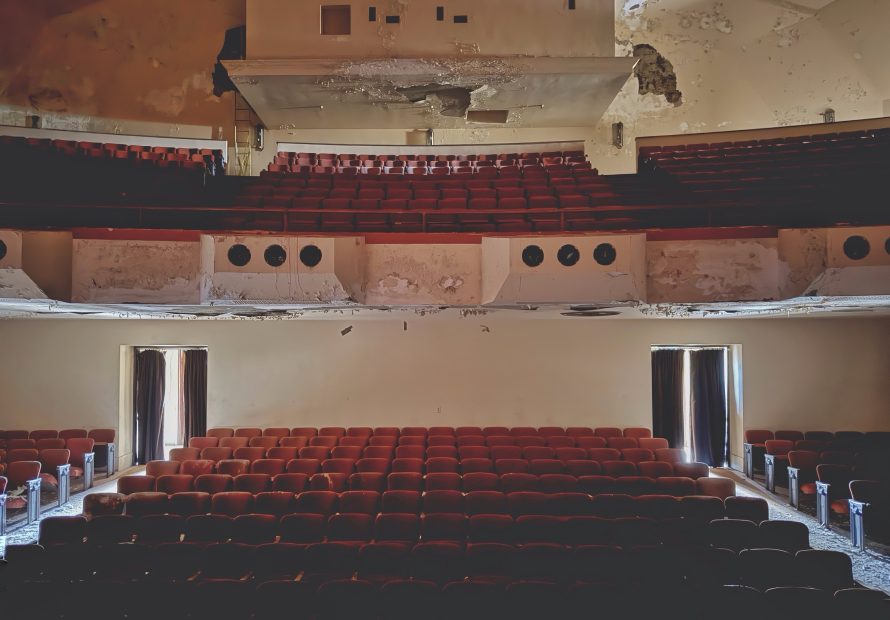
Since the day it first opened, the Auditorium was a multipurpose center of civic life. This four-story building served as a community space, government building, arts venue, and sports stadium. Each room had a distinct function, serving all strands of Worcester society.

MEMORIAL CHAMBER
  • MEMORIAL CHAMBER
  • AUDITORIUM
  • LITTLE THEATER
  • LOBBY

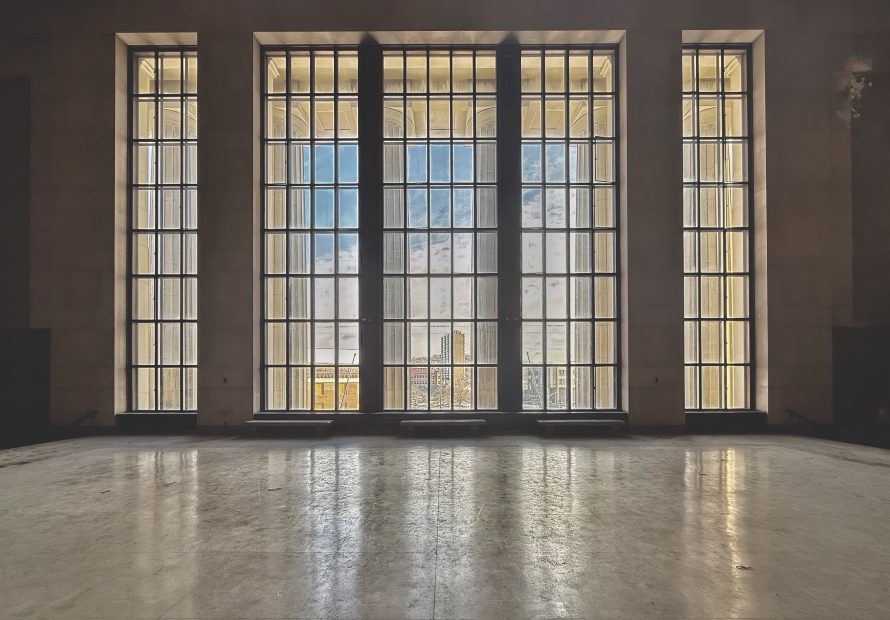
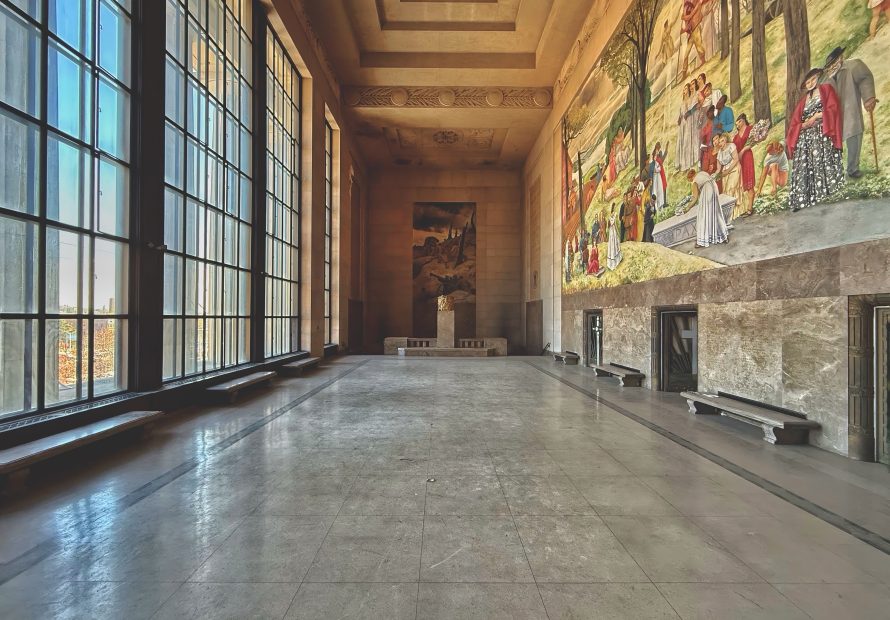
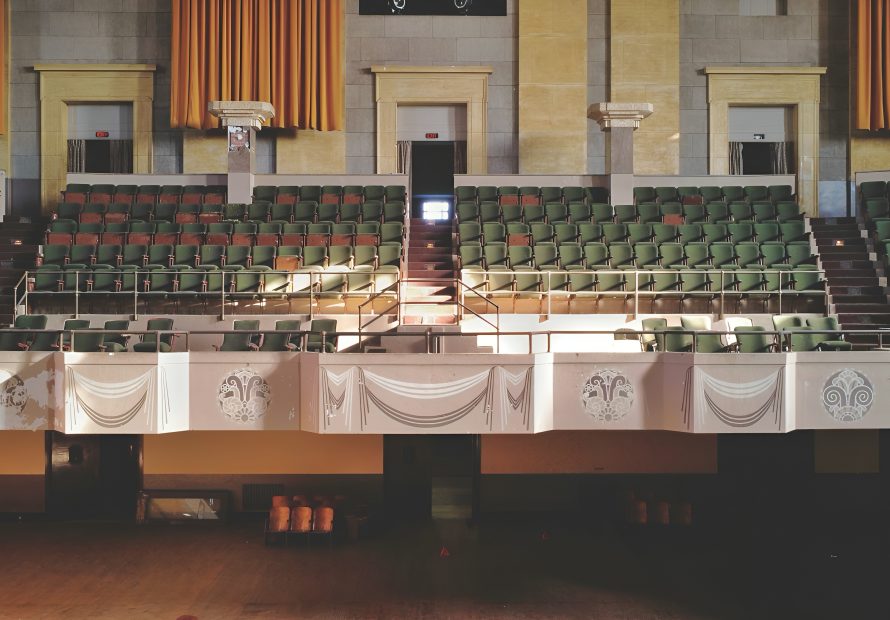
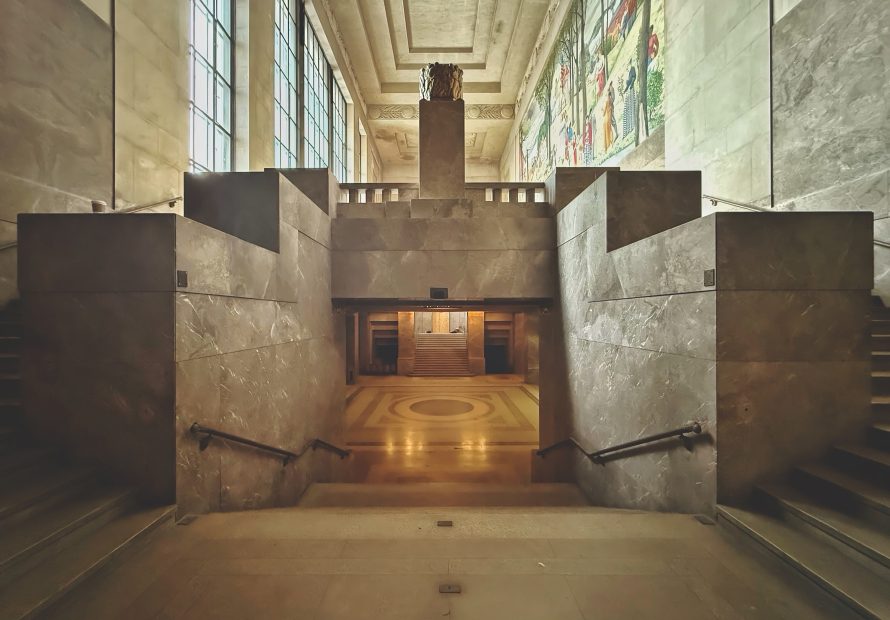
The high-ceilinged Memorial Chamber honors the sacrifice of Worcester citizens during wartime. Artist Leon Kroll (1884-1974) spent three years painting three beautiful murals that remain the room’s most prominent feature. Two murals depict the US Army and Navy, while the third and largest, known as the “Shrine of the Immortal,” portrays the tomb of a heaven-bound soldier surrounded by “people of all classes and races gathered in peace and harmony under the American flag.” Carved into the wall and flanked by quotes from George Washington and Abraham Lincoln are names of the 355 Worcester soldiers who fell in the First World War. Three wrought-iron doors symbolizing Valor, Victory, and Peace lead into the auditorium balcony, while the building’s monumental columns stand outside the chamber, visible through full-length windows. The Memorial was and remains a space for remembrance, as well as celebration of the city’s strength.

Wall

Since the day it first opened, the Auditorium was a multipurpose center of civic life. This four-story building served as a community space, government building, arts venue, and sports stadium. Each room had a distinct function, serving all strands of Worcester society.

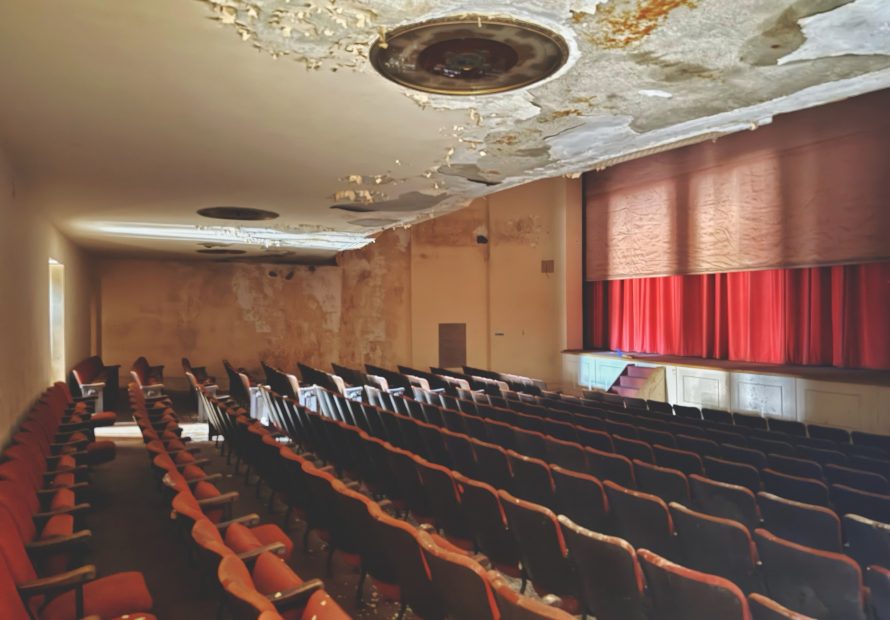
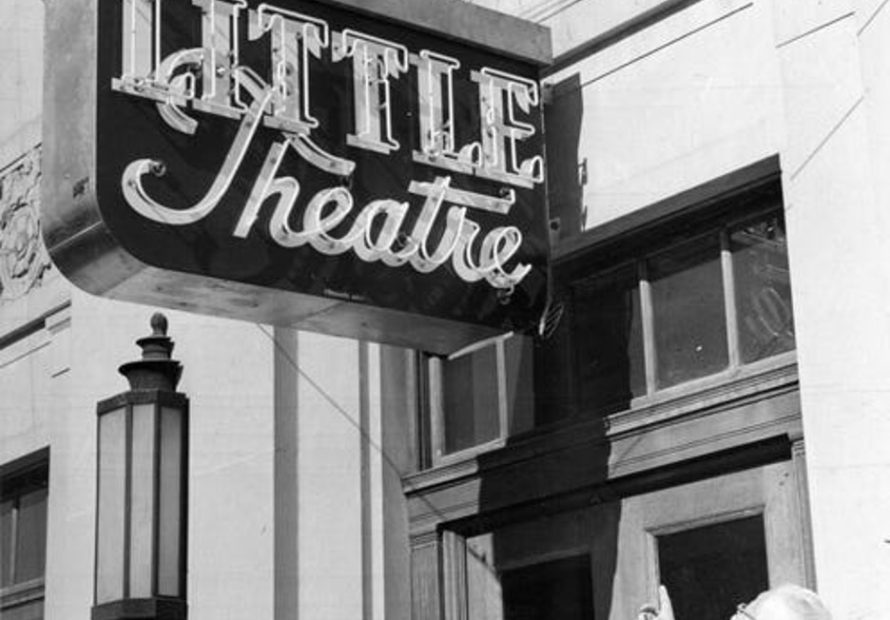
The Little Theater shares a stage with the auditorium, so the two were never used concurrently. Despite this quirk, the theater was ideal for movie screenings. It offered seating for 675 and included a film projection booth accessed by a ladder. The Little Theater had its own street entrance. Audiences could collect their tickets at the lobby box office, check their coats, and patronize a concession stand en route to their seats. The Little Theater is still a first-rate entertainment venue; when renovated, it can again be a popular gathering place for the Worcester community.

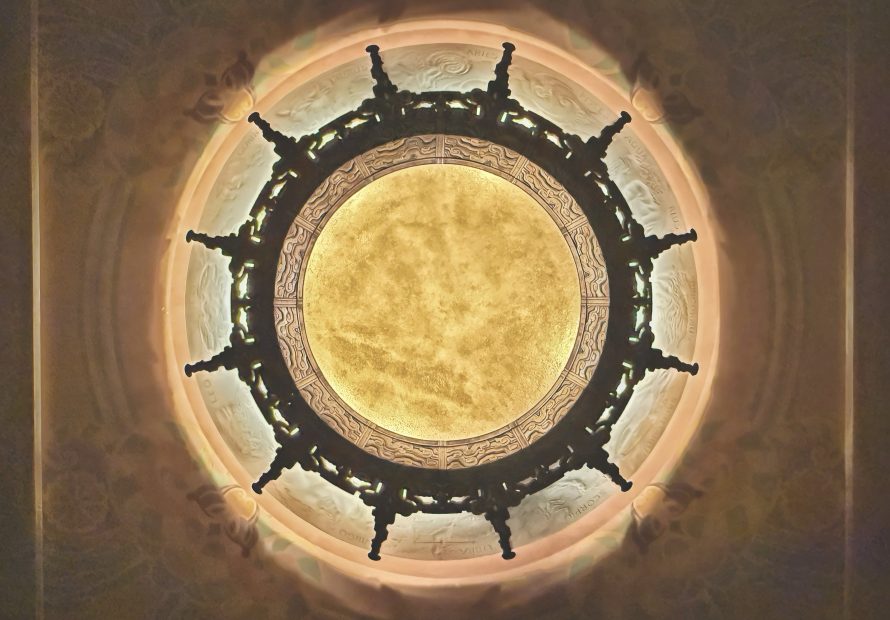
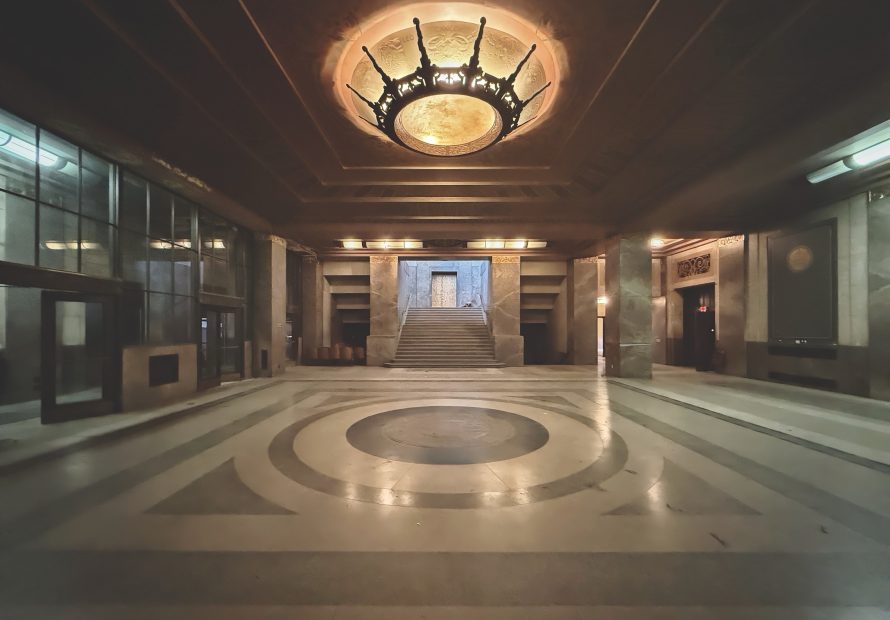
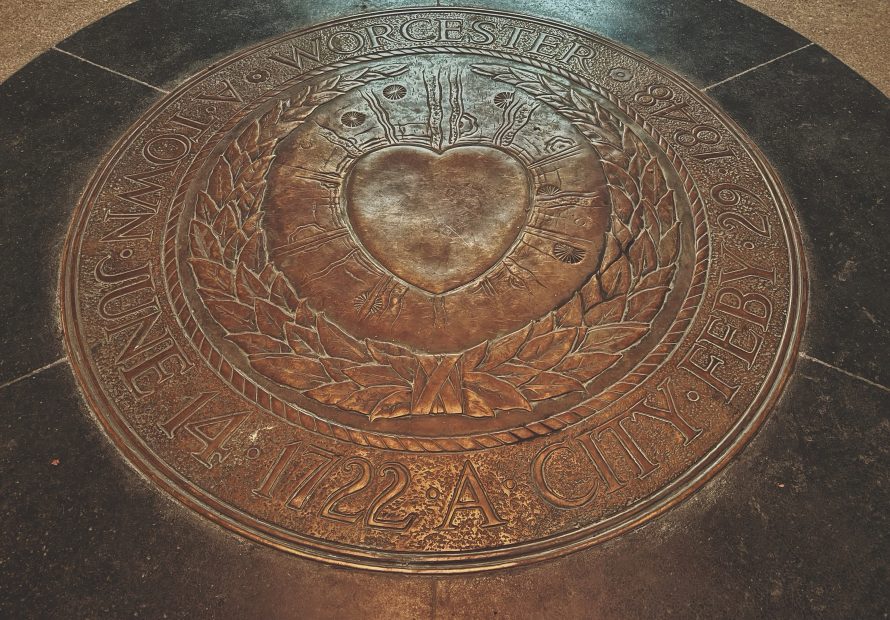
Before accessing the Memorial Chamber, visitors are ushered into the lobby space below. The space feels somber and special, and in the center of the room, the City of Worcester seal is inlaid in bronze on the marble floor. Directly above that is a custom-made Art Deco style glass light fixture featuring the signs of the zodiac, crafted by New York City artisan David Harriton.